"Peak Nutrition News is the blog relating to www.peaknutrition.ie. It is where you will find loads of interesting articles and links on topical nutrition topics and valuable tips, recipes and training and nutritional techniques for various sports and to promote a healthy lifestyle. I look forward to hearing your opinions and interacting with everyone on the blog."

Search This Blog

Thursday, July 8, 2010

EATING FOR RECOVERY


EATING FOR RECOVERY

The finish line has been crossed, the final whistle has blown, the winning shot played, or the last set in the training session completed. Should these have involved a medal winning performance or a victorious cup final, then this chapter may not be necessary. However for the vast majority of athletes, even if the immediate schedule reads ‘rest’, it is likely that another competition event or workout is looming on the horizon. Therefore, recovery should be the important item on the athlete’s agenda.

Recovery involves a complex range of processes, which include:

· Refuelling the muscles and liver of their expended energy (glycogen)

· Replace the fluids and electrolytes lost in sweat

· Allow the immune system to and body to build and repair damaged muscle fibres

· Manufacture new proteins and new red blood cells

In other words, although an athlete may appear to be resting, a lot of activity is occurring within the body that is essential if peak performance is to be reached in the next match or training session. In order to facilitate optimum recovery post exercise, then follow these guidelines:

· There is a window of approximately 30 minutes post exercise when gylcogen synthesis is optimal so it is important to consume a high carbohydrate snack within 30 minutes of completing a strenuous exercise session. Be organised to have suitable snacks or specialised recovery drinks at the venue for consumption after the event

· Aim for an intake of typically 1-1.5 grams of carbohydrate per kilogram of bodyweight (typically between 50-150g of carbohydrate) immediately after exercise and approximately 0.2 grams of protein per kilogram of bodyweight (typically 10-25g protein) and repeat every 2 hours or until normal eating patterns have resumed.

· A daily carbohydrate intake of 5-10 grams per kilogram of bodyweight to optimise ongoing glycogen stores

· High glycaemic foods should be the carbohydrates of choice post exercise

· Optimise hydration although this will be covered in more detail in next weeks article

· Avoid alcohol and caffeine in the post exercise period

· In team sports a coordinated recovery approach is often helpful where the management/dietitian organises the snacks and drinks

Each of the following snacks will provide approximately 50g carbohydrate and 10g protein. Eat 0ne to three of these portions depending on your weight to ensure speedy recovery.

· 250-400ml liquid meal replacement

· 250-400ml milk shake or smoothie

· Some sports bars (check label before consumption or consult dietitian)

· 2 large tubs of fruit yoghurt

· Bowl cereal with milk

· 200g fruit yoghurt mixed with cereal

· 2 slices of toast and beans

· 1 round of sandwiched with meat filling

· Many specialised supplements will supply the adequate nutrients in liquid form which many athletes find easier. (Consult dietitian)

Next week we look at hydration.

Article written by Paul Gough BSc MINDI of www.peaknutrition.ie. For further information or more specific dietary information please visit www.peaknutrition.ie or contact Paul at info@peaknutrition.ie. To arrange a free sports nutrition presentation for your club or team then please contact Peak Nutrition on the contact details above.

Wednesday, June 23, 2010

Sports bars and Gels compared against Sports Drinks


See link below for interesting article on the comparison of carbohydrate gels to sports drinks. Seem like an effective option


Tuesday, June 22, 2010

Nutrition Before and During Events


Pre Competition Eating and Pre Event Meal

There are many factors that may affect nutritional requirements for competitive events and depending on the type of event, dietary strategies would need to be individually tailored. Team based, multi-day events, ultra endurance races, weight making sports and track and field events all require a different dietary strategy before, during and after the competition. These strategies are dictated by the physiological demands of the sport as well as practical considerations specific to the sport. There are, however some general guidelines, which can be applied to all sports and situations.

Pre Competition Eating (from 1 week prior to event)

In the week leading up to an event, all that should be required at this stage is the fine tuning of your well tuned and planned eating regime and it is not the time to start making wholesale changes to your eating pattern for fear of GI upset. You should have tried and tested different approaches as well as foods and sports drinks to determine what works best for you.

It is at this stage where the main aim is maximising fuel stores, especially if you are competing in prolonged events. Generally if your event lasts longer than 70 minutes, then an element of carbohydrate loading should be considered to optimise storage of glycogen in the muscles and liver for use as fuel during prolonged exercise. An intake in the range of 7g/kg/bw of CHO is suffice. If your event is less than 70 minutes in duration, your already high carbohydrate training diet coupled with rest is all that is required to optimise fuel stores.

Tips

· Think ahead and consider solutions to problems that may arise through environmental conditions such as altitude or training in hot conditions

· If extra carbohydrate is needed over and above your daily intake, focus on more concentrated carbohydrate foods such as sports drinks and sugars

· Resist temptation to try something new. Don’t be influenced by strategies used by fellow athletes and competitors as what works for someone might not work for you

· You may need to select and focus on the most important events during the year to avoid the consequences of overtraining, which could be compounded by chronic dietary strategies

· Schedule and modify training sessions, which could damage muscle fibres, for a few days prior to competition to allow optimum recovery

· Remain well hydrated at all times and we will devote a full article to hydration in the series

Pre Competition Nutrition (the meal before)

This is the opportunity to top up your liver glycogen stores especially after an overnight fast and it also provides the opportunity to fully hydrate. The foods and drinks consumed in this period can also contribute to comfort and confidence if it is included as part of a pre event ritual or routine. The goals of the pre event meal are to:

· Continue to fuel muscle glycogen stores if they have not fully recovered or topped up from last training session

· Ensure adequate hydration

· Prevent hunger yet avoid gastrointestinal discomfort

· Include foods and practices that are important to the athletes psychology or superstitions

The pre event meal should be consumed approximately 3 hours before the competition and it should include carbohydrate rich foods, especially in the case where body carbohydrate stores are not adequate, although at this stage the muscles should really be well fuelled with glycogen from carbohydrates if you had been following the correct diet for the week prior to the event.

Foods with a low fat, low fibre and low-moderate protein content are the preferred choice for the pre event meal since they are less likely to cause GI upset. In some cases liquid meal replacements are useful for a nervous stomach. The bottom line is that an athlete should choose a strategy that suits their situation and their past experiences, and using a sports dietitian can help with their preparation. The most important guideline for pre event meals is that they should have been tested and fine tuned. The list below provides some pre event meal choices that fit the general recommendations.

· Pasta with tomato based or other low fat sauces with small portion of chicken

· Steamed rice or noodles with low fat sauce with small portion of chicken

· Large bowl of breakfast cereal with milk or low fat yoghurt

· Pancakes with maple syrup

· Toast with honey or jam

· Bread rolls with sliced banana

· Baked potato with low fat filling

· Baked beans and toast

· Commercial liquid meal supplement

· Sports bars

For low fibre options choose white rice, pasta and breads.

Nutrition During competition

Carbohydrates and fluid are a necessary requirement during exercise especially if the event is longer than 30 minutes duration. This is necessary to maintain blood glucose levels and ensure ongoing hydration. Approximately 30-60g carbohydrate per hour should be consumed which in liquid terms equates to between 500 – 1000mls of isotonic sports drinks. Medium to high carbohydrate foods are the best choices such as sports drinks and jelly sweets or carbohydrate gels. Since the rules and conditions of certain sports may limit the opportunities to eat and drink, each athlete needs to look for opportunities and establish a carbohydrate and fluid plan during exercise e.g during field sports always take on isotonic fluid during breaks in play and for runners use rehydration stations and triathletes optimise your intake when cycling.

· Use carbohydrate rich drinks and compact carbohydrate sources such as gels and sweets together with sufficient fluid to meet target of 60g carbohydrate per hour

· In longer events or extreme endurance activities you may want to include solid food. Still focus on high carbohydrate low fat options.

· During competition fluid intake is important and try and take every opportunity to take on isotonic fluids

· Carbohydrate ingestion during shorter events is not practical nor is it necessary, however for athletes participating in many events in the same day such as 100m sprint heats then a recovery plan is necessary.

Article written by Paul Gough BSc MINDI of www.peaknutrition.ie. For further information or more specific dietary information please visit www.peaknutrition.ie or contact Paul at info@peaknutrition.ie. To arrange a free sports nutrition presentation for your club or team then please contact Peak Nutrition on the contact details above.

Thursday, June 17, 2010

Sports Nutrition Presentation

Sports Nutrition Presentation


Example presentation given to triathletes and endurance athletes.
For more detailed information and nutritional advice to suit your
individual needs then please visit www.peaknutrition.ie or email
info@peaknutrition.ie. The last 10 slides approximately show
what the online template looks like when you sign in. It takes
you through the process of uploading your information such as
name, training schedules, diet histories etc and then shows
some of the feedback you receive in terms of diet breakdown.
This breakdown is then analysed by peak nutrition and a simple
diet plan is given to you tailored with recommendations on how
to improve specific to your chosen sport. With this online model
you can submit as many diets and change training schedules as
often as you like of the course of the year for analysis allowing
you to build your own personal nutritional profile. Overall a
very cost efficient method of having a personal sports dietitian
to assist you in your performance.
Please feel free to comment on any posts if you would like a
specific area covered in the blog at some stage.

Wednesday, June 9, 2010

INTRODUCTION TO SPORTS NUTRITION AND KEY FOOD GROUPS FOR ATHLETES


The past 25 years have witnessed considerable research interest in nutritional factors related to exercise and sports performance. Athletes with less than optimal fluid, nutrient, and energy intakes severely hamper their exercise capacity, ability to recover and responsiveness to training therefore making an optimal diet extremely important to provide nutrients in adequate amounts for tissue maintenance, repair and growth, while not overdoing it on the overall energy intake. Dietary recommendations for physically active men and women must account for the energy requirements of a particular activity or sport and its training demands on top of the athletes Basal Metabolic Rate. Below some of the key food groups that play a part in the athletes diet are detailed.

CARBOHYDRATES

No matter what your sport, carbohydrate is the critical fuel for optimal performance. Exercising muscles rely on carbohydrate as the main source of fuel, therefore excluding sufficient carbohydrates from the diet causes the athlete to train and perform in a state of glycogen depletion, which will lead to a significant decrease in exercise performance. The total amount of carbohydrate that your body can store as glycogen in the liver and muscles is approximately 600-800g. Liver glycogen stores are used to top up the glucose levels in the blood to ensure that the brain maintains its essential glucose supply. Stored glycogen also provides substantial energy during intense levels of aerobic exercise. An athletes diet should contain at least 55-60% of calories from carbohydrates, predominantly starches from fibre rich, unprocessed grains, fruits and vegetables. Regular training and performance can rapidly deplete the small reserves stored in the body so the athlete is therefore required to ensure an adequate daily carbohydrate intake. In the event where glycogen stores are continually depleted, the body will then start to break down protein stores for glucose which will be detrimental as it will lead to a loss of lean muscle mass.

Recommended carbohydrate intakes can vary from 5-7g/kg/bw for the likes of rugby or GAA players up to 10-12g/kg/bw for ironman and marathon runners.

PROTEIN

Your body not only needs protein, it also needs a sufficient quantity of each of the amino acids, which are the building blocks of proteins. There are 21 amino acids, nine of which are essential in the diet as the body is unable to manufacture them. Amino acids are required to manufacture the structural components of muscle tissue, enzymes, haemoglobin, antibodies, hormones and to transport proteins. They are therefore, needed for strength, to build and maintain muscle, maintain immune function, to aid recovery and in younger athletes protein plays a key role in growth and development.

Protein is not an efficient source of fuel during exercise, but when too little energy is available from carbohydrate and fat, amino acids will be used as energy. One of the biggest myths is that large amounts of protein are required to build muscle. Your muscles can only use a limited amount of protein for growth, provided there is enough carbohydrate to fuel the strength training required for your muscles to grow. Any excess protein will be excreted from the body as urea in the urine.

Recommended protein intakes can vary from 1.2g/kg/bw for general athletes up to 2g/kg/bw for extreme strength training and should provide approximately 15% of daily energy intake.

FAT

Fat is the most concentrated form of energy, providing double the amount of calories as an equal portion of carbohydrate or protein. However, fat is not a readily available source of energy during exercise. Even when exercise is at low intensity, because of its low rate of utilisation, fat can only provide approximately 50% of the energy needed with the remainder coming from carbohydrate. It is only in very extreme situations where a high fat diet may improve performance such as an ultra endurance event where the body’s glycogen stores will be challenged. Carrying extra body fat can have its advantages in certain sports such as open water swimming where fat can act as a buoyancy aid and provide insulation, however in most sports excess body fat is simply additional dead weight, negatively affecting speed and agility.

Eating too little fat also carries risk as fat provides essential fat soluble vitamins and essential fatty acids. High fat meals are not recommended before training or competing as they tend to slow down stomach emptying causing discomfort. Overall fat should provide approximately 20-25% of energy intake with majority coming from unsaturated plant sources.

VITAMINS AND MINERALS

Vitamins are organic compounds required in small amounts and they are vital in the diet as the body is unable to manufacture them. Most vitamins regulate processes essential for normal metabolism, growth and development. Those vitamins involved in energy metabolism are like the spark plugs of the engine. They do not provide energy but are involved in the production of energy from fuel stores through metabolic reactions.

Deficiencies in any vitamin or mineral will impair metabolism, sports performance and of course overall health. Generally athletes diets have been shown to supply adequate vitamins and minerals, provided the diet is well planned and includes a wide variety of foods.


TIPS FOR ATHLETES DIET

· Enjoy a wide variety of carbohydrate rich foods focusing on wholegrains, rice, pasta and potatoes and cereals

· Split carbohydrate into several meals and snacks through the day

· Decrease your carbohydrate intakes when training decreases or during off season as any excess will cause weight gain

· Limit intake of both added and hidden sources of fat such as butter, margarine, peanut butter, processed meats, chocolate, crisps and cakes

· Read labels to get an indication of the fat content of foods

· Use low fat cooking methods such as grilling, steaming or baking

· Choose a variety of protein rich foods

· Always choose lean meats and low fat dairy products

· Dried beans and lentils are a good method of increasing protein conten of stews

· To increase muscle mass you need to follow your eating plan and training programme. If you only concentrate on high protein intakes without enough carbohydrate, then the protein will be used as energy instead of being used to build muscle.

· Enjoy eating a wide variety of fruits and vegetables, the more colour and crunch the better. Aim for an intake of >5 portions per day

· Limit the storage and cooking times of vegetables to stop the destruction if their vitamin and mineral content

· Where possible choose fresh produce especially those in season. Frozen vegetables are also a good choice

· Most importantly eat a wide variety of different foods frequently to obtain all the nutrients required.

Further articles include:

· Pre event nutrition and the pre event meal

· Eating for Recovery

· Hydration

· Supplements and sports foods.

Monday, May 31, 2010

TO CARBOHYDRATE LOAD OR NOT

Carbohydrate loading should be considered if......................

1. The exercise is a high intensity endurance activity such as marathon, triathlon, ironman where heavy demands are placed on glycogen stores

2. The activity is likely to involve more than 90 minutes of continuous exercise

3. The athletes habitual diet provides less than 7-8 grams of carbohydrate per kilogram of bodyweight and may not otherwise maximise glycogen stores

4. The athlete is motivated to increase carbohydrate intake for the specific purpose of fuelling for an important event

There are no medical reason such as diabetes that would contraindicate a very high carbohydrate diet for a 3-5 day period

Carbohydrate Loading is not necessary if..................

1. The exercise is not an endurance activity and normal gylcogen stores will be adequate to fuel the event

2. The event will last less than 60 minutes

3. The activity if high intensity for a short duration and will be adversely affected by the weight gain associated with loading (such as sprint events)

4. The athlete is already eating sufficient carbohydrate to allow glycogen stores to be replenished efficiently for their event. Carbohydrate intake should be in the region of 7-10 grams per kilogram of bodyweight depending on the event

5. The athlete has unstable diabetes or is hyperlipidaemic, and a very high carbohydrate intake is contraindicated.

For more details please visit www.peaknutrition.ie or contact info@peaknutrition.ie


Thursday, May 27, 2010

OBSTACLE 5: EXCESSIVE SALT

To eat healthily it is necessary for us to know what our food contains. With the growth of processed foods and inclusion of cheap ingredients added to foods over the last couple of decades in order to improve taste and boost sales, you may well find that you are consuming a few things that you are unaware of. The most common mineral that is overconsumed in the diet is sodium aka salt.

It is hidden in foods that we often think are healthy, meaning that these foods should not necessarily be avoided, but they should definately be reduced.

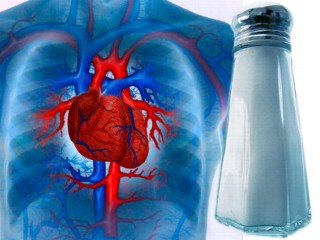
Too much salt in the diet causes blood pressure to rise, which in turn is a key factor in heart disease, stroke and related Cardiovascular diseases. It also causes dehydration and fluid retention.

Salt can be found in foods such as bacon, sausages, butter, processed meats, bread and tinned foods. Next time you pick up some sandwich meat or a loaf of bread check the label and you may be surprised. Listed as sodium on many foods, it is difficult for the lay person to calculate whether an identified food is high in salt.

To convert sodium to salt just multiply by 2.5. e.g 1g sodium = 2.5 grams of salt.

With the government recommending an upper intake of salt of 6g's per day (just a teaspoon), the average person can be consuming double this easily.

TIP : START TO READ YOUR LABELS